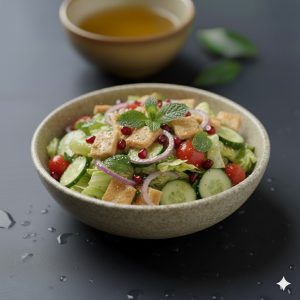

Fattoush salad
- Cuisine: Middle Eastern
- Type: Salads
- Total time: 35 mins
- Preparation time: 15 mins
- Cooking time: 20 mins
- Rest time: 0 mins
- Serving for: 4 people
- Meal: Lunch, Dinner
- Skill level: Low
- Origin: Middle East
Source: this recipe is based on personal experience and ChatGPT.
Ingredients
Salad
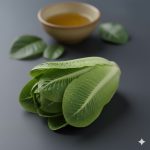
- 1 large romaine lettuce, chopped
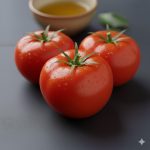
- 2 ripe tomatoes, chopped
- 2 small cucumbers, chopped
- 4–5 radishes, thinly sliced
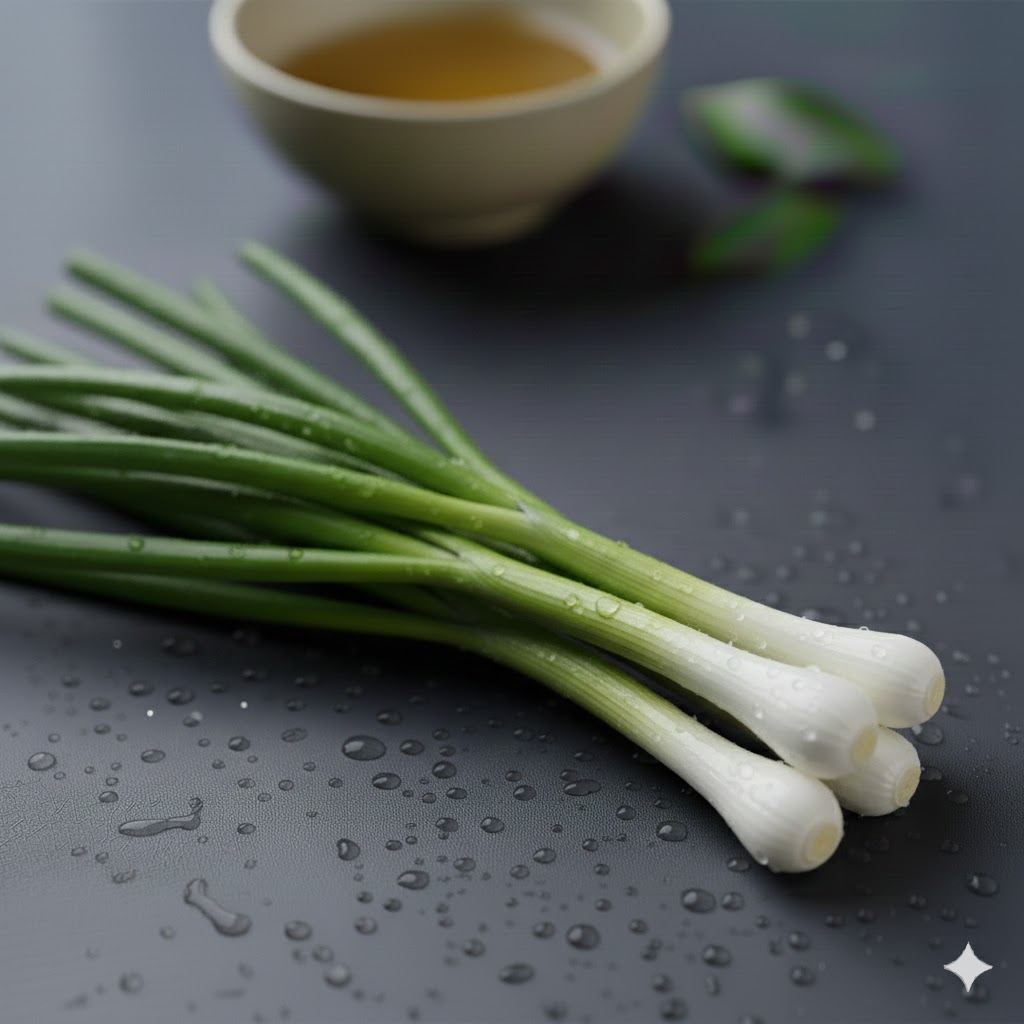
- 3 green onions, sliced
- ½ cup fresh parsley, chopped
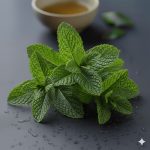
- ¼ cup fresh mint, chopped
Salad
- 1–2 pita breads
- Olive oil (for brushing)
Dressing
- 1/4 cup extra-virgin olive oil
- 3 tbsp fresh lemon juice
- 1 small garlic clove, minced
- 1 1/2–2 tsp sumac (to taste)
- Salt, to taste
Optional
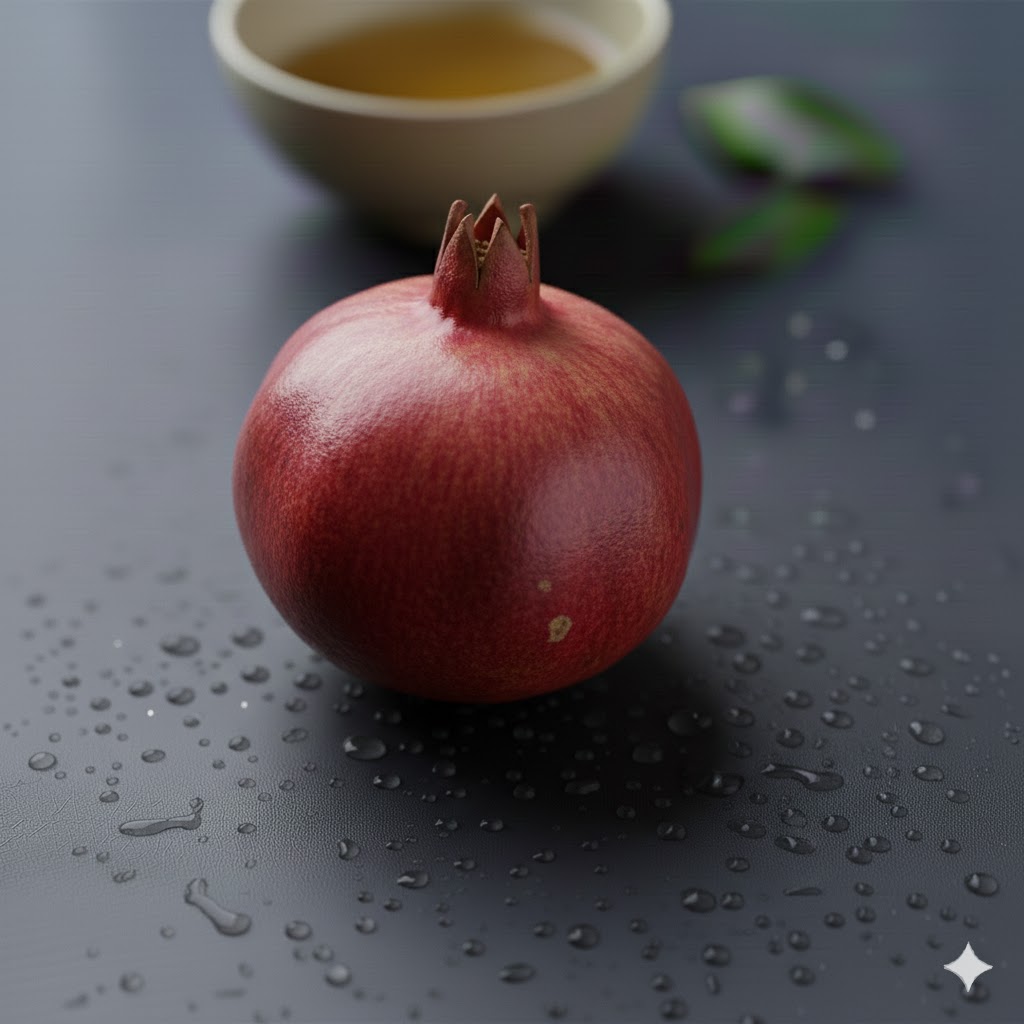
- 1–2 tsp pomegranate molasses (adds sweetness and depth)
Cooking steps
- 1. Brush pita with olive oil, bake at 375°F (190°C) for 8–10 minutes or pan-toast until golden and crisp. Break into bite-size pieces.
- 2. Whisk olive oil, lemon juice, garlic, sumac, salt, and pomegranate molasses (if using).
- 3. In a large bowl, combine all vegetables, parsley, and mint.
- 4. Add dressing and toss well. Add crispy pita just before serving so it stays crunchy.
Serving presentation
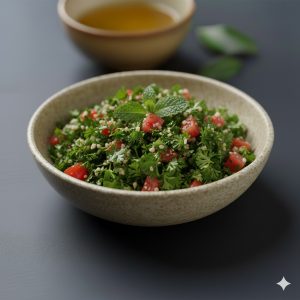
You can play with lettuce, cabbage, tomatoes and lemon for different serving presentations.

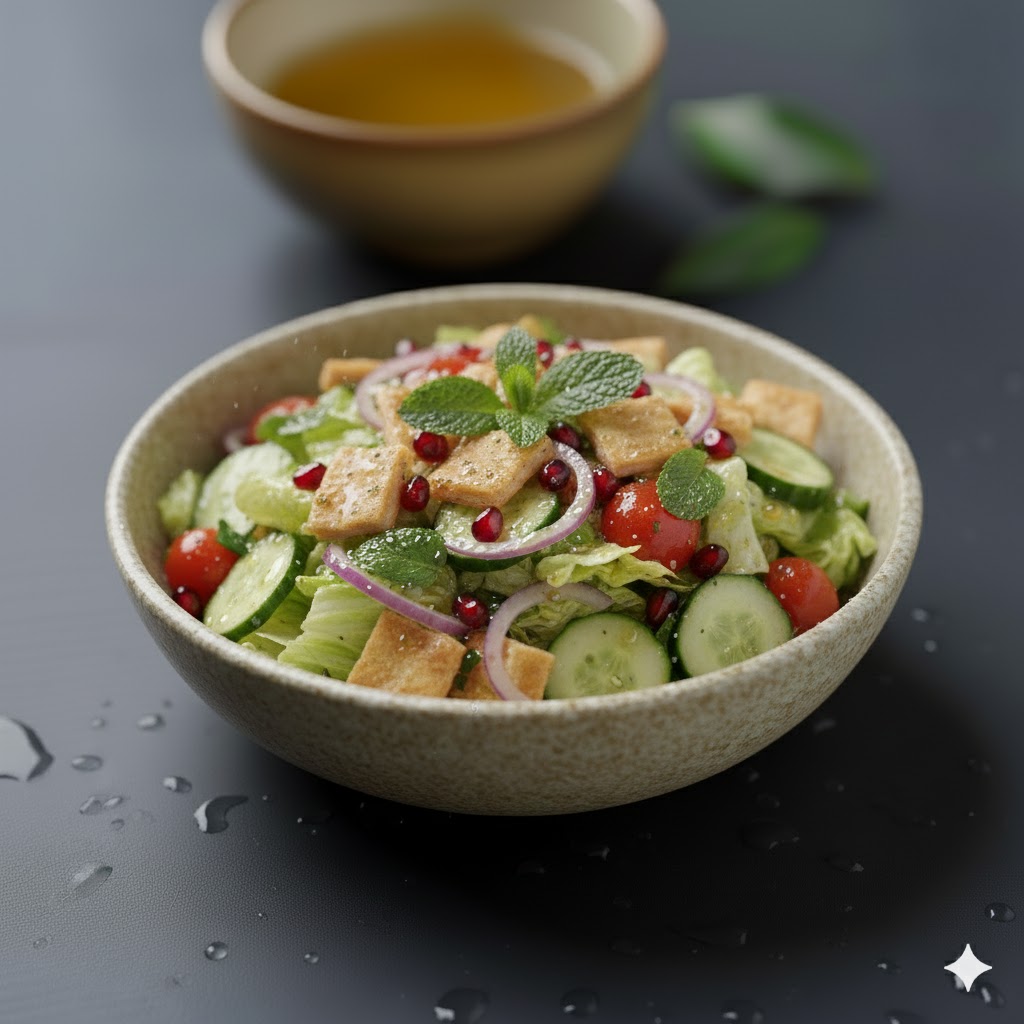
Serving in a bowl

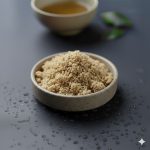
Serving with fried pita bread crumbs on side

Serving in fried pita bread
Dish variations
You can play with the proportions of ingredients (parsley, mint, bulgur, tomatoes and onion) to make it more or less “green-looking” overall.
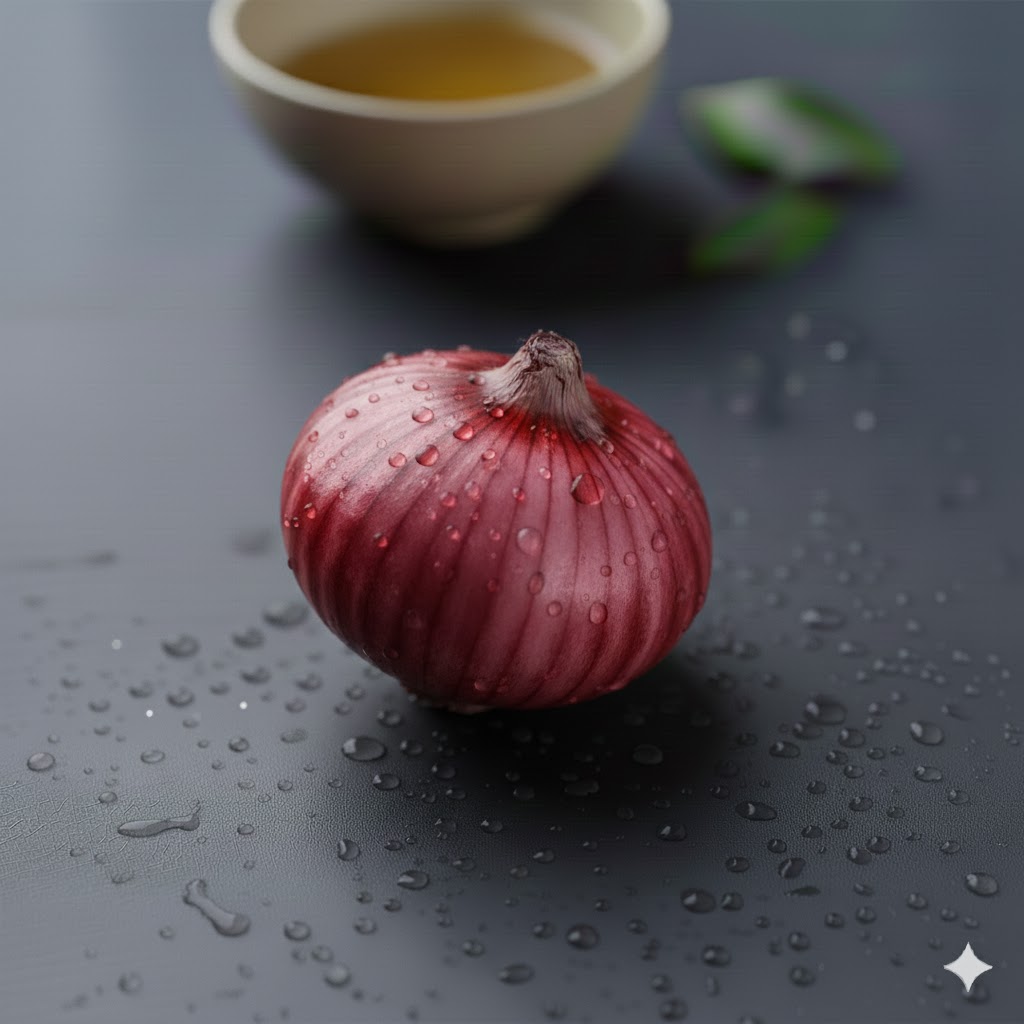
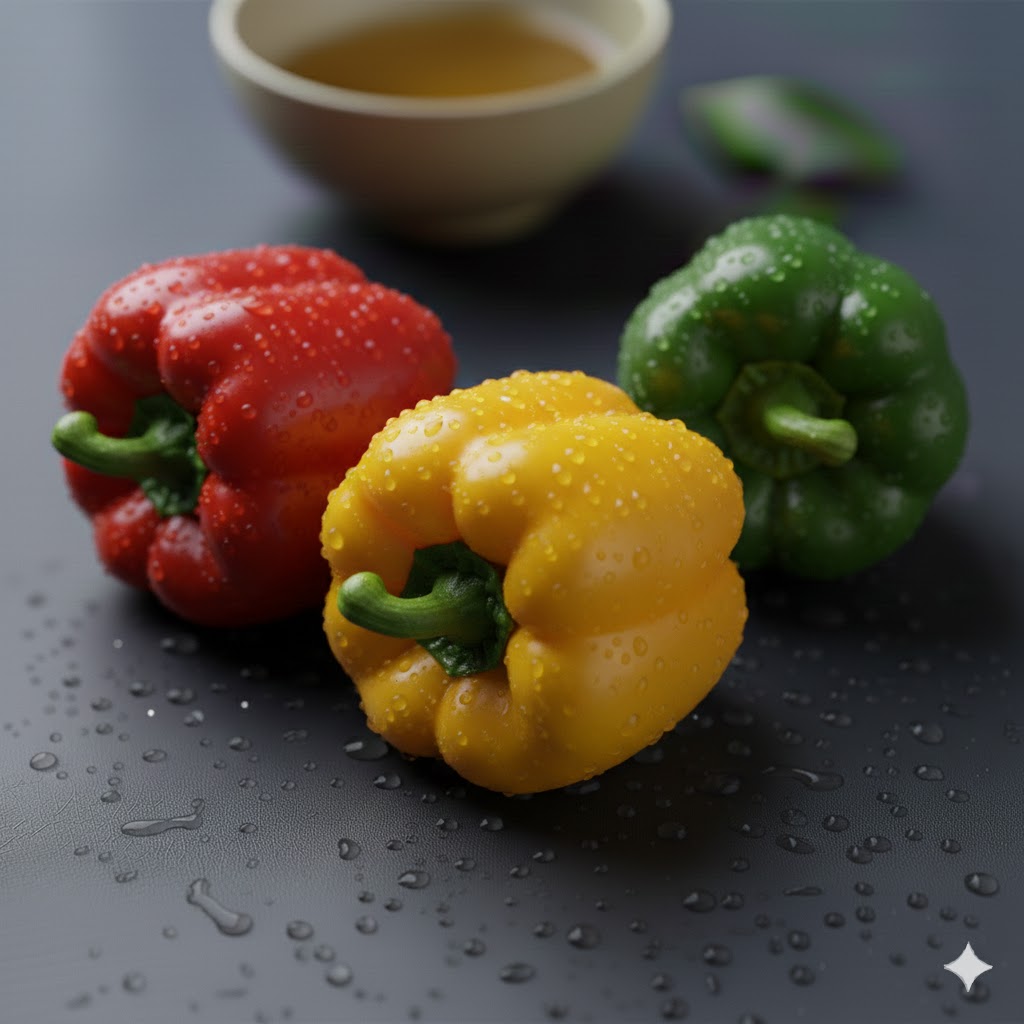
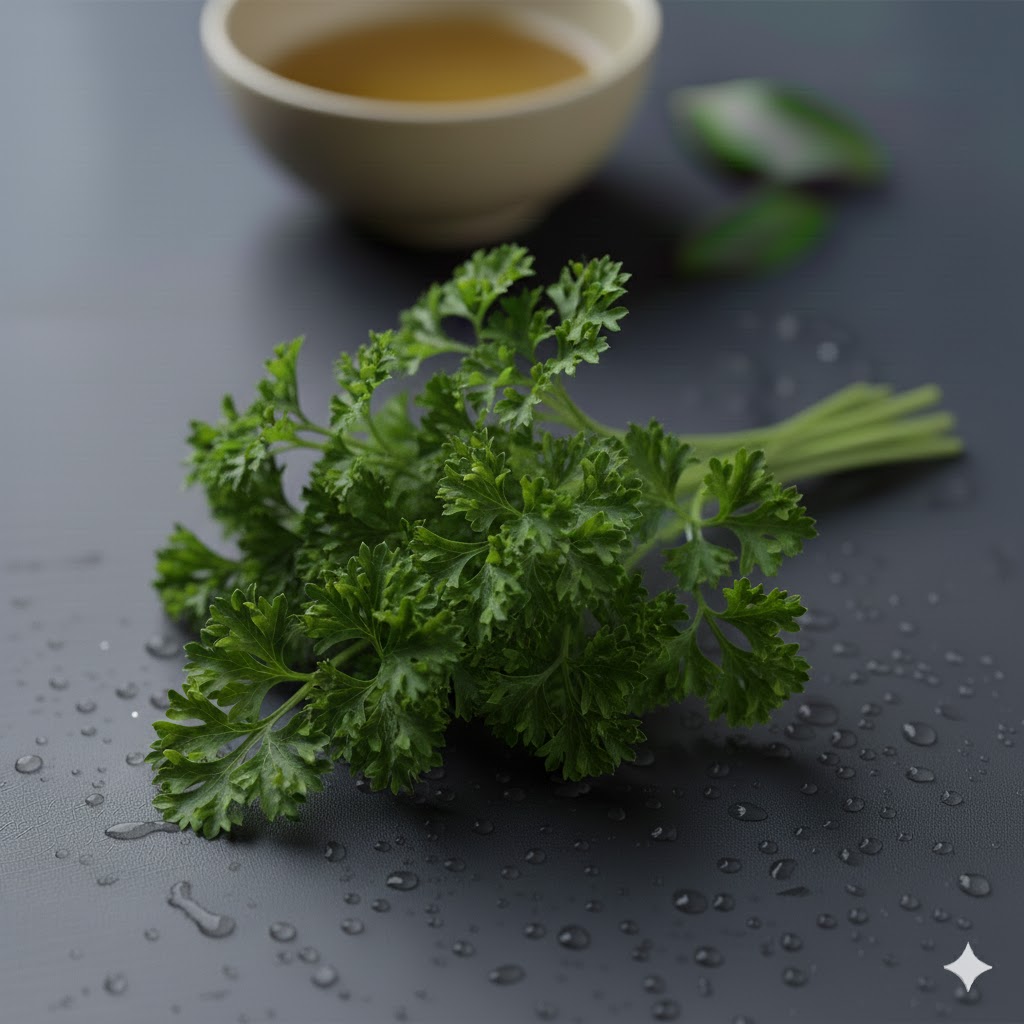
You can also use curly parsley, pomegranate seeds, green onions, red onions, cucumber, bell peppers, or feta cheese.

Lebanese fattoush
Classic version with purslane, extra sumac, and lemon-forward dressing

Syrian fattoush
Often includes more herbs and sometimes bell peppers

Jordanian/Palestinian fattoush
Heavier use of radishes and green onions, very tangy

Grilled vegetable fattoush
Uses grilled zucchini, eggplant, or peppers

Protein-added fattoush
Topped with grilled chicken, chickpeas, or halloumi

Gluten-free fattoush
Uses gluten-free pita or baked potato chips instead

Modern fusion fattoush
Includes avocado, kale, or quinoa for a twist
Frequently Asked Questions (FAQ)
How long can I store Tabbouleh?
It’s best to eat Tabbouleh right away, and mix only what you need. If you have left overs, you can eat it later during the day or within 24h maximum. Otherwise, the salt and lemon’s acid will start deteriorating the greens, and they will turn yellow. To maximize shelf life, mix only the quantities you need based on the number of people served.
What's the difference between Tabbouleh and Tabbouli?
It’s just semantics in Arabic language. “Tabbouleh” is a Lebanese dialect pronunciation, while “Tabbouli” is other Arab countries pronunciation.
Do I eat Tabbouleh with my hands or with cutlery?
Great question! The ‘proper’ way to eat Tabbouleh is with your hands, where you break off a piece of lettuce, dip it in the salad and grab a bite-size amount. You can also use a spoon or a fork to eat it, to avoid dirtying your hands. In formal settings, you use a fork to eat the salad (like any other salad), and take a bite off a lettuce leaf after to enjoy the combination.
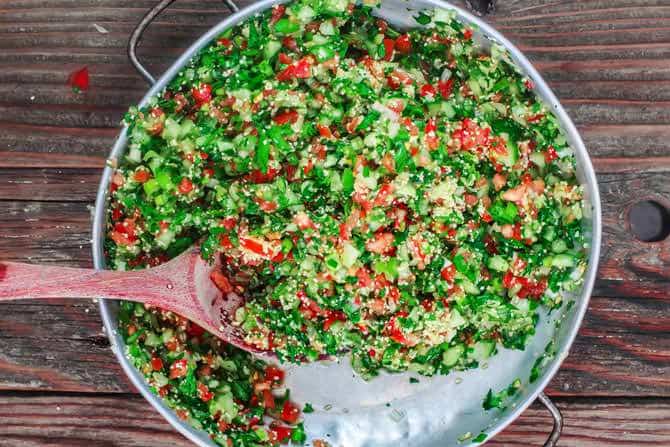
Tabbouleh (or tabbouli) is a salad that originated in the Levant region of the Middle East, particularly Lebanon and Syria.
Highlights
- Rich in vitamins A, C, and K from fresh vegetables and herbs
- High in antioxidants, especially from sumac and tomatoes
- Supports heart health with healthy fats from olive oil
- Aids digestion due to high fiber content
- Low in calories but filling and satisfying
- Naturally plant-based and easy to adapt for special diets